


 רכישת מנוי
 צור קשר
 לא לפספס
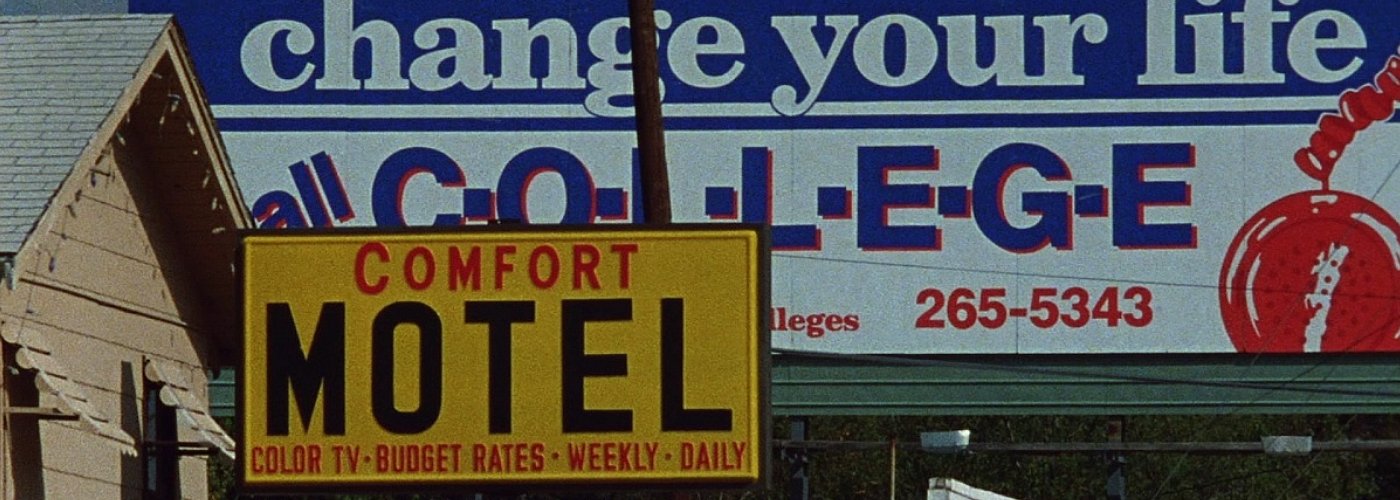
The Thin Blue Line | Tribute to Philip Glass
USA / 1988 / Length: 101


Welcome to the Soundtrack Tel Aviv Film Festival 2025. Grappling with the challenging year that we’ve had, ultimately drives home for us the reason why we do what we do. We create and curate in a world gone mad, because we believe that through art we can find some sense. And there is nothing like cinema and music – together – to clarify how we feel, and to connect us to meaning, which in the past two years seems to constantly elude us. We create and curate because we believe that art comes to expand and connect, to be a mirror and a gate. To break the heart but also to redeem the soul.
This is why among the themes of this year’s festival films you will find American gospel, Caribbean calypso, Spanish flamenco, as well as post-punk from communist Poland and German metal, which channels the trauma of the Holocaust into music that provides catharsis for hatred and violence. Over all of this hovers the black cosmic philosophy of Sun Ra, which binds everything together in perfect irrationality. What a wondrous world.
The program also includes a retrospective of the master composer Philip Glass, and the premiere of the new British award-winning documentary “The Last Musician of Auschwitz” – whose director, Toby Trackman, is our special guest.
As always, we also have a rich Israeli program – including tributes to George Ovadiah, Shmuel Imberman, and the classic TV show “Zehu Ze!”. We have a new Israeli music video competition, as well as live shows, lectures, workshops, one-time events, and a rich program for children and the whole family.
We’re opening this year’s festival with two new films, delving into two completely different worlds: a comprehensive documentary about Billy Joel, one of the great creators of American popular music, and a film about the Butthole Surfers, who are also American, but are everything Joel is not. As mentioned, a mirror and a gate.
Elvis Costello’s song “Almost Blue”, as sung by the legendary Chet Baker, one of the protagonists of this year’s festival films, expresses the feeling of “almost doing things we used to do.” This could describe how we feel in Israel 2025. From the almost, certainty will arise. Because that’s what happens when you combine text with music. So, imagine what happens when you add an image to both.
Artistic directors: Yashiv Cohen and Dana Kessler
Read more Close
 לא לפספס
USA / 1988 / Length: 101
 לא לפספס
USA / 2002 / Length: 110
 לא לפספס
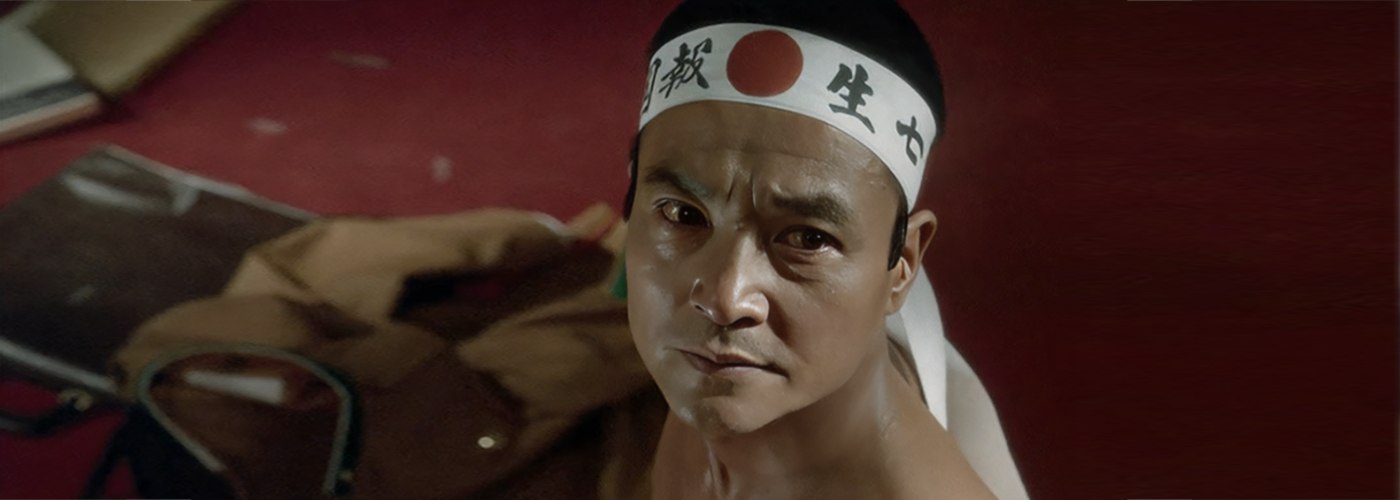
Japan/USA / 1985 / Length: 120
 לא לפספס
USA/UK / 1992 / Length: 100
הרשמו לניוזלטר ותקבלו מאיתנו עדכונים והמלצות על כל הסרטים והאירועים החדשים והכי מעניינים




 972523403778
  Service@cinema.co.il
 רחוב הארבעה 5, תל אביב